
South Korea Dismantles Border Loudspeakers in Bid to Ease Tensions with North Korea
- Edition Sona Times

- Aug 4, 2025
- 2 min read
In a symbolic move signaling a shift in its approach to inter-Korean relations, South Korea has begun dismantling loudspeakers installed along its northern border, long used to broadcast anti-regime messages toward North Korea. The powerful speakers—blaring news, criticisms of Pyongyang, and even K-pop hits—had become emblematic of psychological warfare between the two nations.
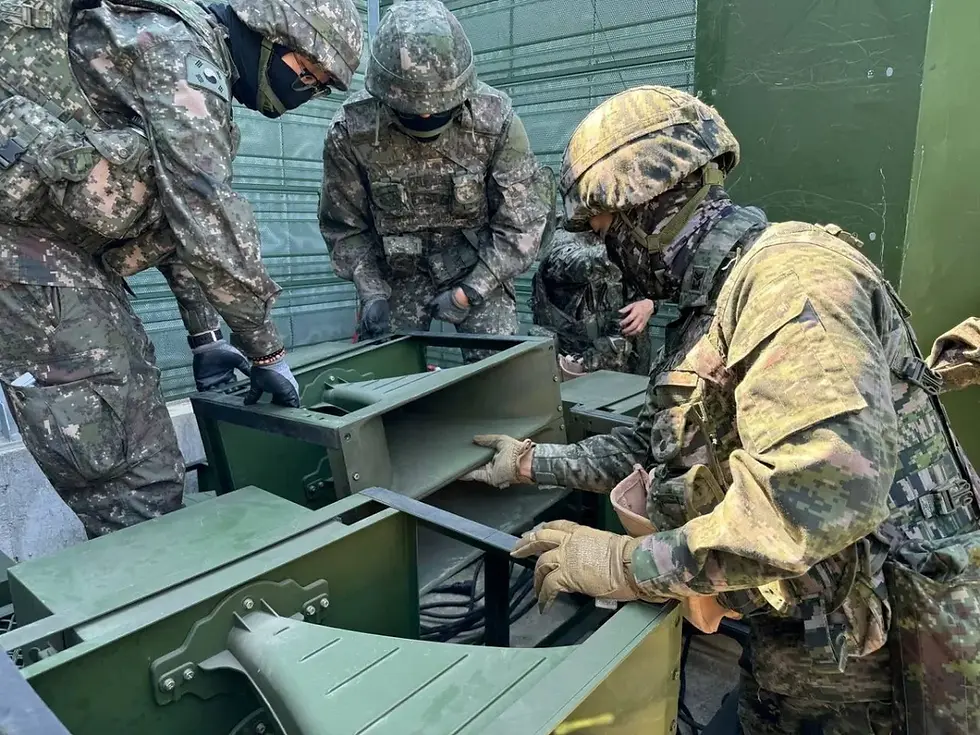
The decision, announced by South Korea’s Ministry of Defense, aligns with President Lee Jae-myung’s diplomatic efforts to de-escalate tensions on the Korean Peninsula and rebuild a climate of trust. “Our military readiness remains intact, but we believe actions like this can help open space for dialogue,” a ministry spokesperson stated.
A Cold War Echo Fades
The loudspeaker campaign dates back to the 1960s, a product of Cold War hostilities. Over the years, the system has been deactivated and reactivated depending on the state of inter-Korean relations. In 2018, the equipment was turned off during a brief period of détente—but tensions flared again in 2024 when South Korea resumed broadcasts in response to North Korea sending trash-filled balloons across the border.
Now, just months into a new administration, the speakers are once again being silenced—this time as part of a broader shift toward de-escalation. “It’s a strategic gesture that does not compromise national security, but signals a political will to interrupt the cycle of provocation,” said Min Soo-hyun, a political analyst at Seoul National University.
Relief and Resistance
The move has been welcomed by residents living near the Demilitarized Zone (DMZ), who complained of the constant noise. “It was like living next to a megaphone that never turns off,” one Ganghwa resident shared.
However, human rights groups voiced concern over the decision. For many North Koreans, the broadcasts were one of the few glimpses into the outside world. “Even if this is meant as a diplomatic gesture, it also cuts off a symbolic bridge that gave North Koreans hope,” said Hana Song, director of an NGO supporting North Korean defectors.
North Korea Remains Silent—for Now
Pyongyang has yet to issue an official statement regarding the removal of the speakers. However, Kim Yo Jong, sister of North Korean leader Kim Jong Un, had previously denounced the South’s approach as “hypocritical and superficial.” North Korea’s leadership remains tight-lipped for now, signaling that the move is not enough to merit reopening diplomatic channels.
A Step Forward, However Modest
While formal talks between the two Koreas remain stalled, the dismantling of the loudspeakers may serve as a catalyst for future diplomatic overtures—particularly if Pyongyang responds with reciprocal measures.
With the Korean War technically still ongoing—since only an armistice, not a peace treaty, was signed in 1953—every shift in policy between the two nations carries outsized significance. By removing the loudspeakers, South Korea has not only paused a long-running propaganda tool, but also taken a step, however cautious, toward reimagining peace on one of the world's most volatile borders.


Comments